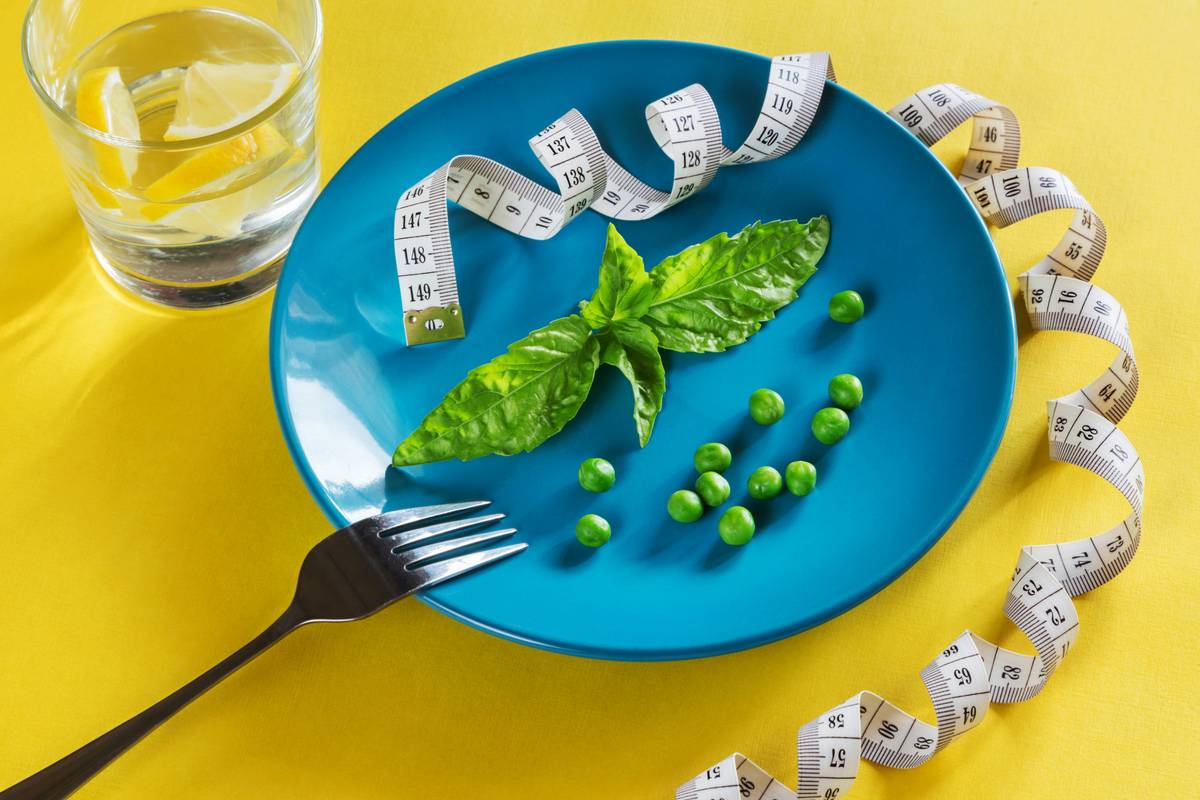
If you’ve been eating salads, counting calories, and hitting the gym—yet still can’t shed those stubborn pounds—you might be fighting your own body type. In Ayurveda, that’s often a classic sign of kapha imbalance. As someone who once ate “healthy” oatmeal with almond milk every morning (thinking I was doing everything right) only to gain weight steadily for months, I learned the hard way: not all diets work for all doshas. Today, I’ll walk you through exactly how to implement kapha diet control without starving, obsessing, or falling for fad advice that backfires.
Table of Contents
- Why Kapha Diet Control Matters
- Step-by-Step Guide to Balancing Kapha
- Best Practices for Sustainable Results
- Real Results from Kapha-Aware Eating
- Frequently Asked Questions
Key Takeaways
- Kapha types gain weight easily and lose it slowly—standard low-fat diets often fail them.
- Warm, light, dry, and spicy foods are essential for effective kapha diet control.
- Avoid cold dairy, sweet fruits, and heavy grains—they aggravate kapha and stall metabolism.
- Consistency beats intensity: small daily changes create long-term balance.
- Always pair dietary shifts with movement—kapha needs stimulation to stay active.
Why Kapha Diet Control Matters
Kapha dosha governs structure, stability, and lubrication in the body. When balanced, it brings calmness, strength, and endurance. But excess kapha leads to sluggish digestion, water retention, emotional eating, and weight gain—especially around the hips, thighs, and abdomen. Unlike pitta or vata types, kapha individuals have slow metabolism by nature, so calorie restriction alone rarely works. In fact, skipping meals can worsen kapha stagnation.
According to the National Center for Complementary and Integrative Health (NCCIH), Ayurvedic approaches like dosha-specific eating show promise for metabolic health when used alongside conventional care. Ignoring your dosha is like wearing the wrong prescription glasses—it distorts everything. That’s why generic “eat less, move more” advice fails so many well-intentioned people.
Step-by-Step Guide to Balancing Kapha
1. Start Your Day with Warmth
Ditch cold smoothies and iced coffee. Begin with warm lemon water or ginger tea to ignite agni (digestive fire). This simple ritual reduces mucus buildup—a key kapha symptom.
2. Choose Light, Dry Foods
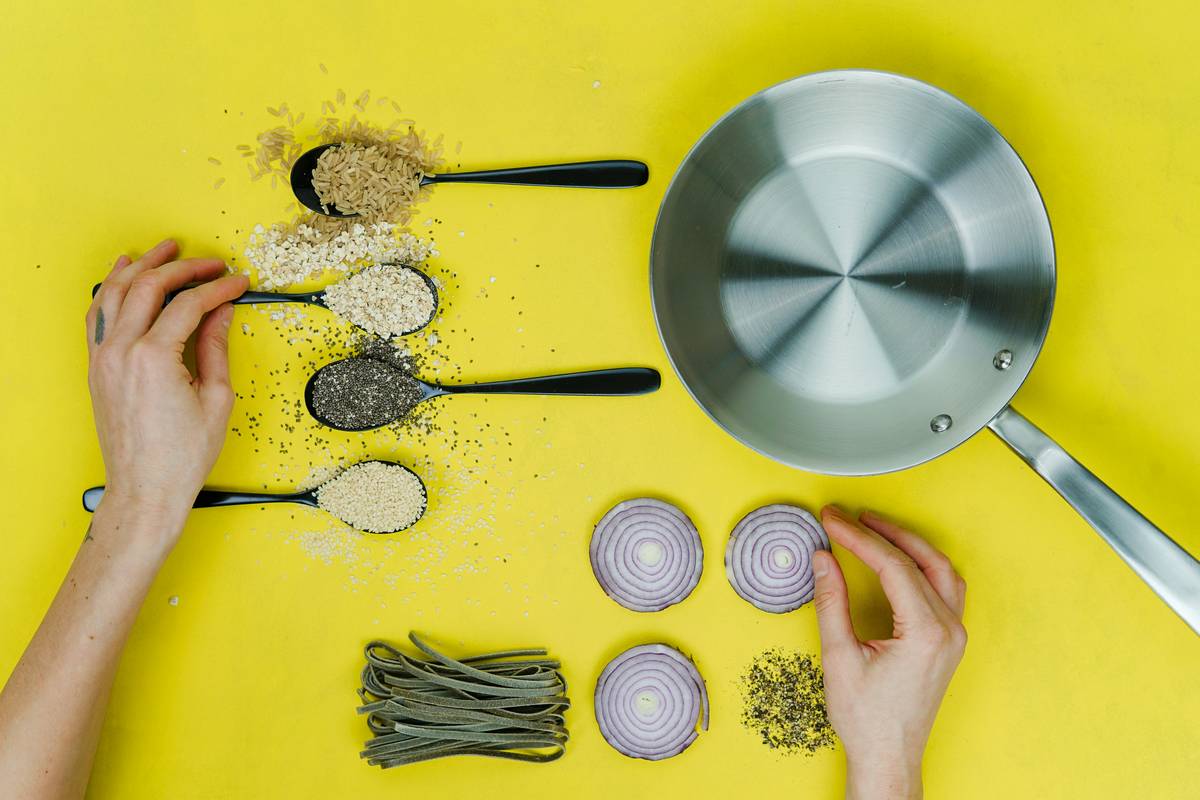
Favor barley, quinoa, millet, and legumes over wheat, rice, and oats. Roast or sauté vegetables instead of steaming or boiling. The goal: reduce heaviness and moisture.
3. Spice It Up (Literally)
Incorporate black pepper, cayenne, turmeric, ginger, and mustard seeds daily. These pungent spices cut through kapha’s oily, cool qualities and boost circulation.
4. Time Your Meals Strategically
Eat your largest meal at lunch when digestion is strongest. Keep dinner light and finish by 7 PM. Never snack between meals—it keeps kapha stagnant.
Best Practices for Sustainable Results
- Avoid the “healthy” trap: Almond milk lattes, avocado toast, and chia pudding? They’re kapha-aggravating—even if Instagram calls them “clean.”
- Move daily—even minimally: A 20-minute brisk walk beats an occasional intense workout. Kapha thrives on routine motion.
- Don’t skip salt entirely: A pinch of rock salt aids digestion, but avoid processed sodium.
- Hydrate smartly: Sip warm water throughout the day; avoid ice-cold drinks.
- Terrible tip to avoid: “Just eat less fat.” Wrong! Healthy fats like ghee (in moderation) actually support kapha balance by lubricating channels—deprivation backfires.
And please—stop blaming yourself. If your current plan feels like pushing a boulder uphill, it’s not you. It’s the mismatch. At eNutrify, we’ve seen clients transform once they stopped fighting their constitution and started working with it.
Real Results from Kapha-Aware Eating
Sarah, a 42-year-old teacher from Oregon, struggled with 25 extra pounds for over a decade. She followed vegan and Mediterranean diets faithfully—but kept gaining. After identifying her dominant kapha dosha, she shifted to warm, spiced meals, eliminated cold dairy, and walked daily. In 14 weeks, she lost 18 pounds without counting calories. Her energy doubled, and her seasonal allergies vanished.
This aligns with research showing that personalized nutrition based on biological individuality yields better adherence and outcomes than one-size-fits-all plans (source: NIH Personalized Nutrition Study). True wellness isn’t about extremes—it’s about alignment.
Frequently Asked Questions
Can I eat fruit on a kapha diet?
Yes—but choose lighter, astringent fruits like apples, pears, cranberries, or pomegranate. Avoid bananas, mangoes, and melons, which are heavy and sweet.
Is fasting helpful for kapha weight loss?
Occasional light fasting (like skipping dinner once a week) can help clear stagnation, but never do prolonged fasts—they weaken already-slow kapha digestion.
How quickly will I see results with kapha diet control?
Most notice improved energy and reduced bloating within 1–2 weeks. Steady weight loss typically begins by week 3–4 with consistent practice.
Can I drink coffee if I’m kapha?
In moderation, yes—coffee’s bitterness and heat counter kapha. But never drink it cold or with milk/sugar. Black, hot, and early in the day is best.
What if I’m a kapha-pitta mix?
Seasonal adjustments matter. In winter (kapha season), emphasize warming spices. In summer (pitta season), cool slightly with mint or coriander—but never go cold.
Getting kapha diet control right isn’t about deprivation—it’s about intelligent nourishment. You don’t need another restrictive plan. You need one that honors your biology. Ready to stop guessing and start thriving? Reach out to our team for a personalized strategy. And remember: your body isn’t broken—it’s just waiting for the right rhythm. Respect your dosha, and it will carry you further than any trend ever could.
We take your privacy seriously—learn how we protect your data in our Privacy Policy.