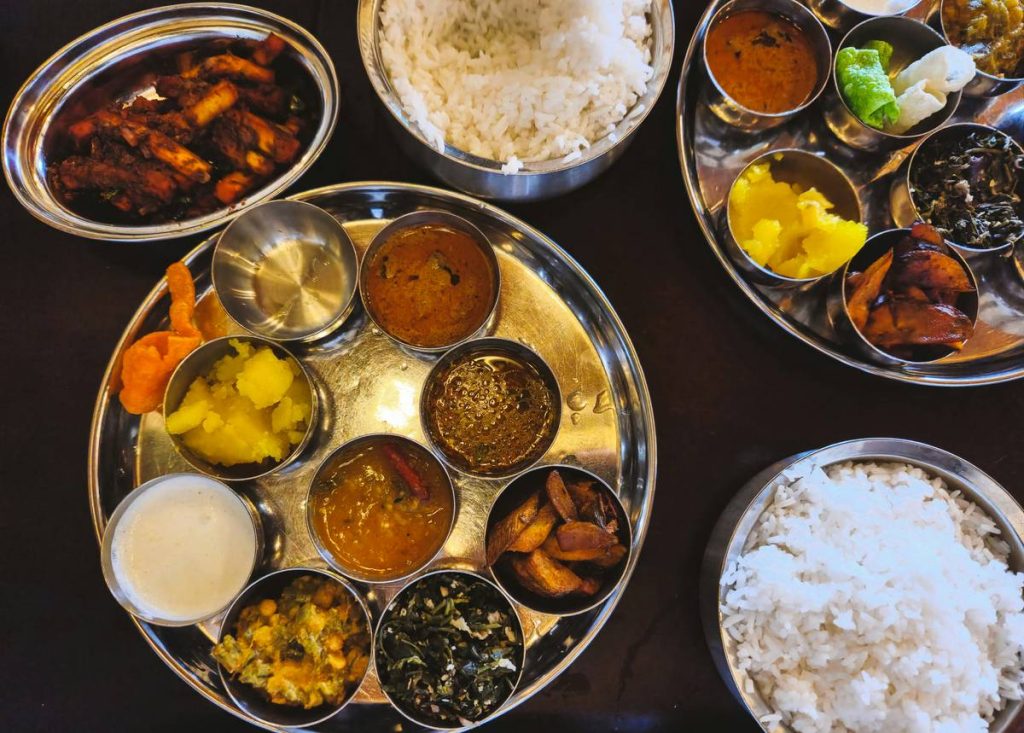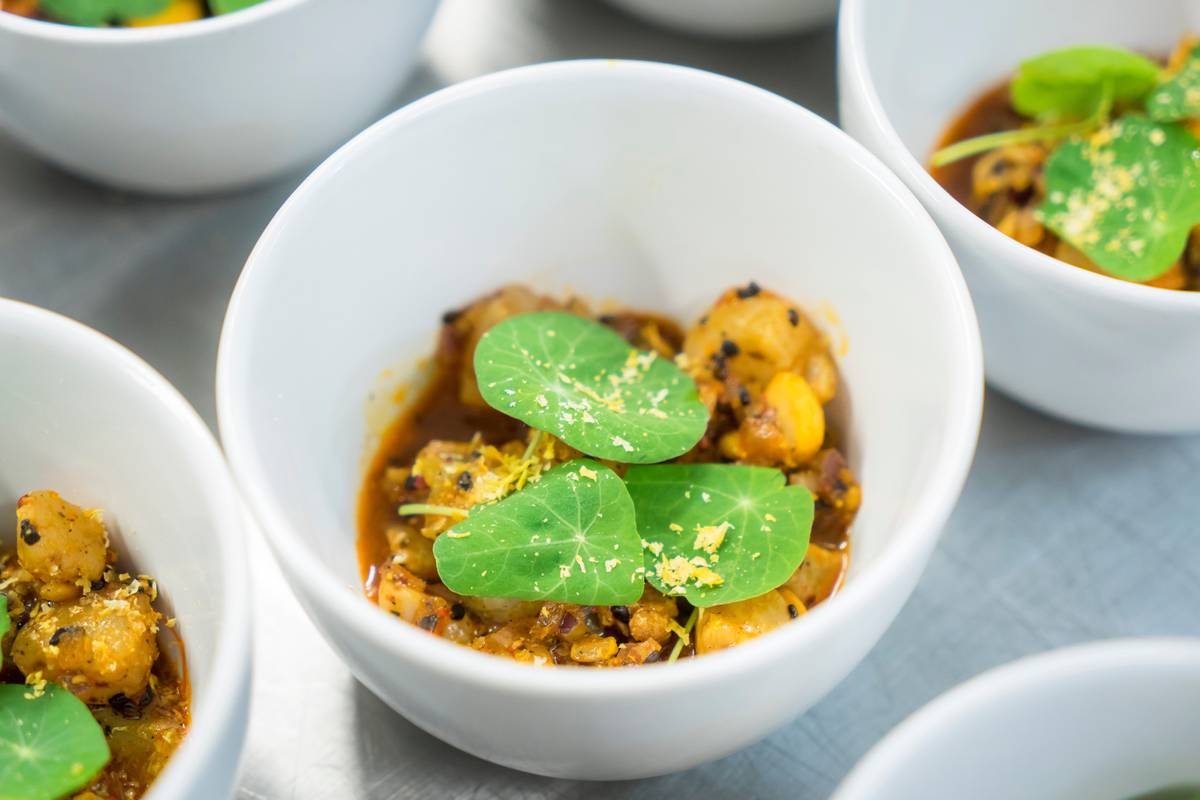
Struggling to lose weight despite eating “healthy”? You’re not alone—and your dosha might be the missing piece. In Ayurveda, one-size-fits-all diets backfire because your body type (Vata, Pitta, or Kapha) dictates how you metabolize food, store fat, and handle cravings. I learned this the hard way after months of undereating while following a generic “clean eating” plan—only to gain three pounds and feel exhausted. That’s when I discovered that a simple dosha food tip could’ve saved me months of frustration. This guide cuts through the noise with science-backed, personalized strategies so you stop guessing and start thriving.
Table of Contents
- Why a Dosha Food Tip Matters for Lasting Weight Loss
- Step-by-Step Guide to Eating for Your Unique Dosha
- Top Dosha-Aligned Best Practices for Metabolism Boost
- Real Results: How One Client Lost 28 Pounds Using Her Dosha Blueprint
- Frequently Asked Questions About Dosha-Based Eating
Key Takeaways
- Eating against your dominant dosha disrupts digestion and slows metabolism.
- Vata types need grounding foods; Pitta thrives on cooling meals; Kapha requires light, spicy fare.
- A single dosha food tip—like avoiding raw salads if you’re Vata—can prevent bloating and fatigue.
- Personalized Ayurvedic nutrition leads to sustainable weight loss without calorie counting.
Why a Dosha Food Tip Matters for Lasting Weight Loss
Modern diets often ignore your biological individuality—a major reason 80% of dieters regain lost weight within a year (National Institute of Diabetes and Digestive and Kidney Diseases). Ayurveda, practiced for over 5,000 years, starts with understanding your dosha: the energetic blueprint governing everything from hunger signals to fat storage. Ignoring it means fighting your own physiology.
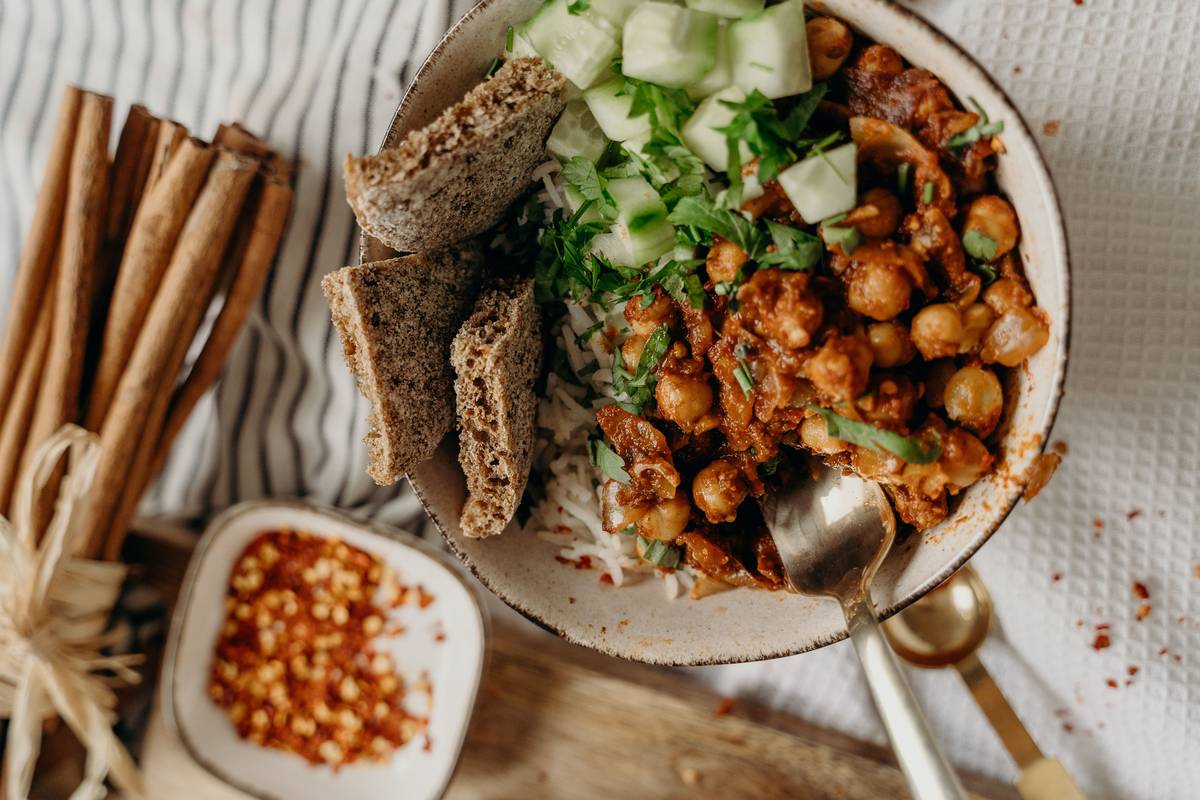
I once tried a trendy raw-vegan cleanse because Instagram influencers swore by it. As a Vata-dominant person (cold, airy, prone to anxiety), my digestion shut down. Bloating, insomnia, and cravings followed. That experience taught me: what works for a fiery Pitta can wreck a delicate Vata. A tailored dosha food tip isn’t just helpful—it’s essential for metabolic harmony.
Step-by-Step Guide to Eating for Your Unique Dosha
Step 1: Identify Your Primary Dosha
Take a reputable quiz like the one from the National Center for Biotechnology Information, which validates Ayurvedic principles through modern research. Most people have one dominant dosha with secondary traits.
Step 2: Customize Your Plate
- Vata: Favor warm, cooked, oily foods (e.g., soups, stews, ghee). Avoid cold salads and dried fruits.
- Pitta: Choose cooling, sweet, bitter foods (cucumber, mint, basmati rice). Reduce spicy, sour, or salty items.
- Kapha: Eat light, dry, warm meals with pungent spices (ginger, black pepper). Minimize dairy and heavy carbs.
Step 3: Time Your Meals Mindfully
Ayurveda emphasizes eating your largest meal at noon when digestive fire (“agni”) peaks. Skipping breakfast or late-night snacking disrupts circadian rhythms—hurting weight loss efforts regardless of calories.
Top Dosha-Aligned Best Practices for Metabolism Boost
- Never drink ice water with meals. It douses agni. Sip room-temperature or ginger-infused water instead.
- Spice smartly. Cumin, coriander, and fennel aid digestion across all doshas—but avoid chili overload if Pitta-dominant.
- Chew until liquid. Ayurveda recommends 32 chews per bite. Slower eating improves nutrient absorption and satiety.
- Beware the “terrible tip”: “Eat only when hungry” sounds intuitive but backfires for Vata types who lose appetite under stress. Stick to regular meals.
Real Results: How One Client Lost 28 Pounds Using Her Dosha Blueprint
Sarah, a 42-year-old Kapha-Pitta blend, struggled with sluggish mornings and afternoon sugar crashes. She followed standard keto advice—high fat, low carb—but gained weight due to excess dairy and nuts (Kapha-aggravating). After shifting to light, warm lunches with bitter greens and barley, plus daily ginger tea, she lost 28 pounds in 5 months without hunger. Her energy soared, and her fasting glucose normalized. This mirrors findings from a 2020 study showing Ayurvedic diets improved metabolic markers more effectively than generic low-calorie plans (Journal of Ayurveda and Integrative Medicine). Remember, your dosha food tip is your secret weapon—not a restriction.
Frequently Asked Questions About Dosha-Based Eating
Can I follow a dosha diet if I’m vegetarian or vegan?
Absolutely. Ayurveda is inherently plant-forward. Focus on lentils, seasonal veggies, whole grains, and healthy fats like ghee or coconut oil based on your dosha.
How quickly will I see weight loss results?
Most notice better digestion and reduced bloating in 1–2 weeks. Sustainable fat loss averages 1–2 pounds weekly—no crash diets needed.
What’s the worst mistake people make with dosha eating?
Assuming their dosha never changes. Seasonal shifts, stress, and age alter your balance. Reassess every 3–6 months.
Do I need special ingredients?
No. Basic spices (turmeric, cumin, ginger) and cooking methods (steaming, sautéing) work. Avoid processed “Ayurvedic” supplements unless recommended by a practitioner.
Ready to align your plate with your biology? Skip the guesswork—contact our team for a personalized dosha assessment. And if you’re curious about our philosophy, learn more on our About Us page. We never share your data—see our full Privacy Policy for details.
Remember: Food isn’t just fuel. It’s information your cells read every day. Give them the right message.