Struggling to lose weight despite clean eating and consistent workouts? You’re not lazy—you’re likely feeding the wrong fire. For pitta-dominant individuals, standard “healthy” diets often backfire by overheating an already intense internal climate. The solution isn’t more restriction. It’s precision. A true pitta dosha meal cools, balances, and metabolizes fat without triggering inflammation or cravings.
Why “healthy” diets sabotage pitta types
Most weight-loss plans glorify spicy metabolism boosters, acidic citrus cleanses, and high-protein regimens. Great—if you’re a kapha. For pitta, these ignite agni (digestive fire) beyond optimal levels. Result? Burning hunger, acid reflux, irritability, and paradoxical weight retention. Your liver works overtime detoxifying excess heat, storing toxins as stubborn abdominal fat. And no—intermittent fasting doesn’t help. It amplifies acidity.
Think about it. You eat grilled chicken with lemon-turmeric dressing, sip green tea all day, and skip carbs. On paper, it’s perfect. In your pitta body? It’s kindling on a flame.
Building your pitta dosha meal: a step-by-step framework
Forget rigid food lists. Ayurveda prioritizes elemental harmony. Pitta is fire + water—so we cool the fire, stabilize the flow.
Cooling proteins over heating ones
Swap eggs, red meat, and fried tofu for mung dal, paneer (fresh cheese), or soaked almonds. These offer amino acids without stoking pitta’s inner furnace. Avoid fermented proteins like tempeh—they’re too acidic.
Carbs aren’t the enemy—glycemic volatility is
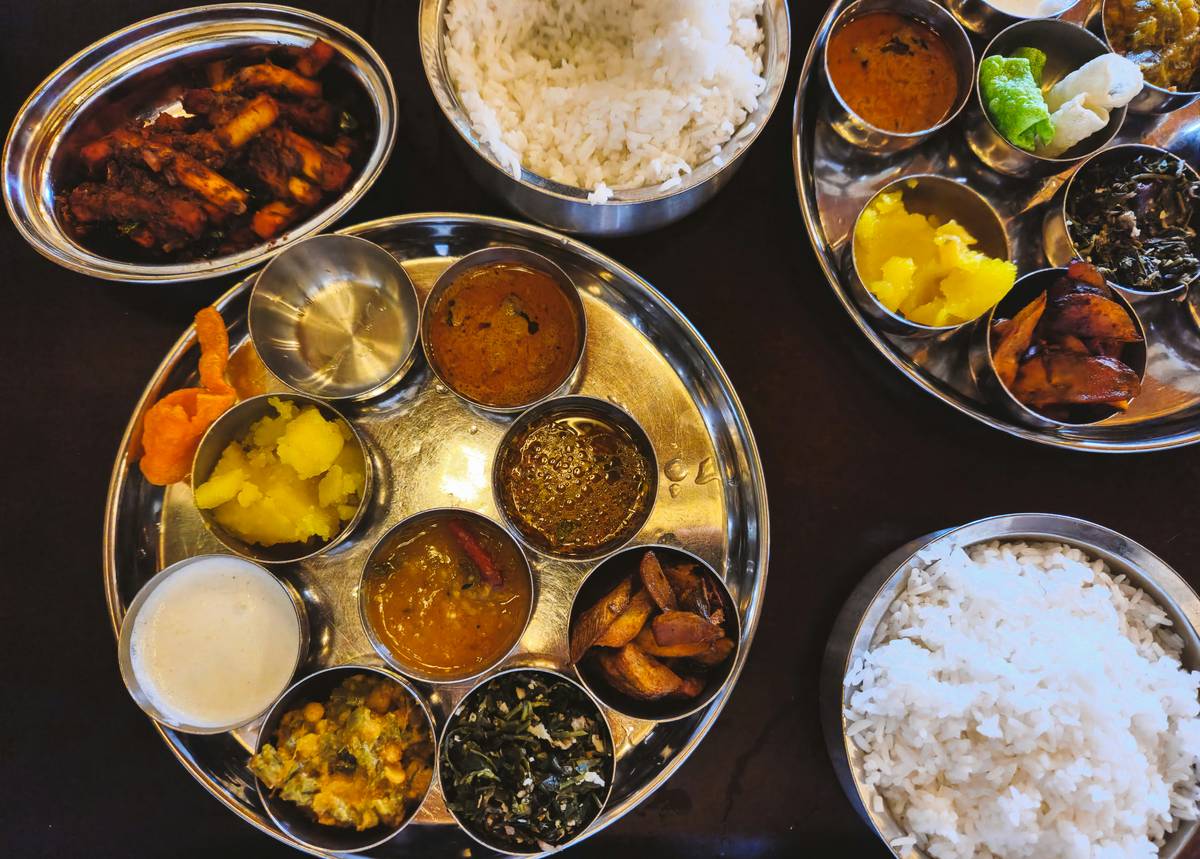
Pitta thrives on steady energy. Choose basmati rice, quinoa, or barley over oats or millet (which dry out pitta). Always pair carbs with ghee—yes, fat!—to slow glucose spikes and lubricate digestion.
Vegetables: avoid nightshades, embrace leafy greens
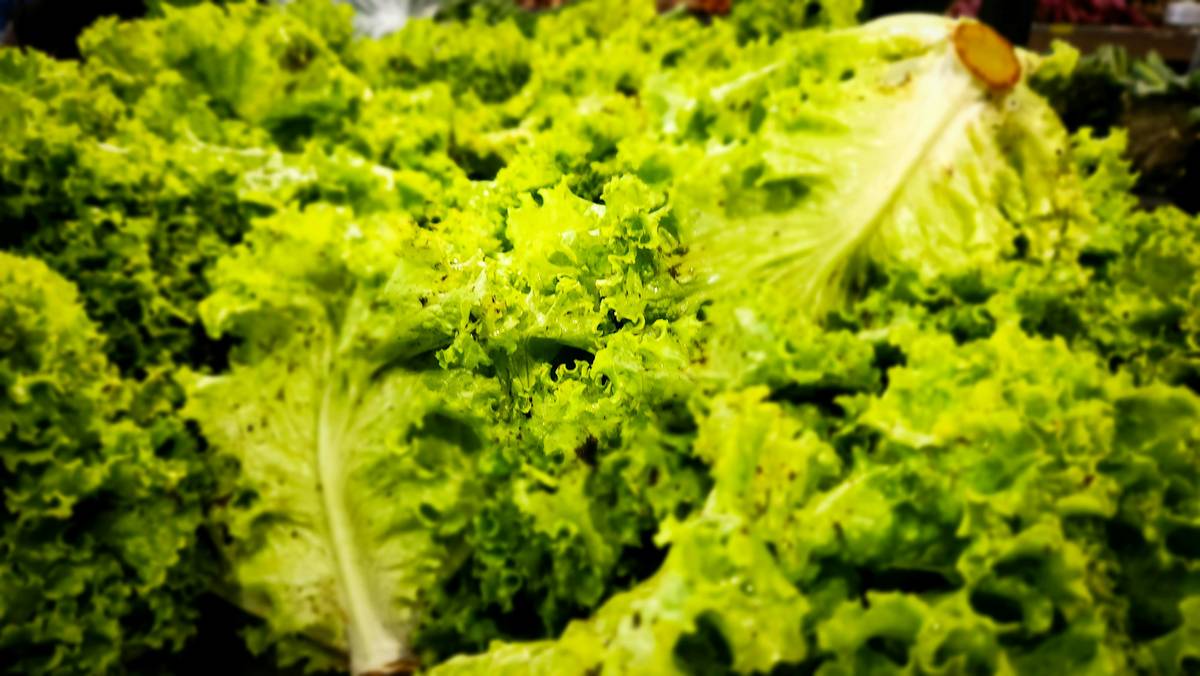
Tomatoes, eggplants, and peppers inflame pitta. Instead, steam zucchini, cucumber, asparagus, or leafy greens like kale and spinach—with a pinch of cumin and coriander to aid assimilation.
| Food Group | Pitta-Supportive Choices | Pitta-Aggravating Traps |
|---|---|---|
| Proteins | Mung dal, fresh paneer, soaked almonds | Eggs, beef, fried tofu, aged cheese |
| Grains | Basmati rice, barley, quinoa | Oats, corn, millet, buckwheat |
| Vegetables | Cucumber, zucchini, leafy greens, asparagus | Tomatoes, eggplant, hot peppers, raw onions |
| Fats | Ghee, coconut oil, avocado | Sunflower oil, mustard oil, fried fats |
The industry secret: timing matters more than ingredients
Here’s what no influencer tells you: even a perfectly composed pitta dosha meal fails if eaten at noon—the peak of solar and digestive fire. Pitta’s natural cycle surges between 10 a.m. and 2 p.m., making lunch the ideal time for your largest meal. But dinner? Keep it light and early. After 7 p.m., pitta’s secondary cycle governs detox. Heavy meals then overload the liver, converting undigested residue into ama (toxic sludge)—the root of metabolic weight gain.
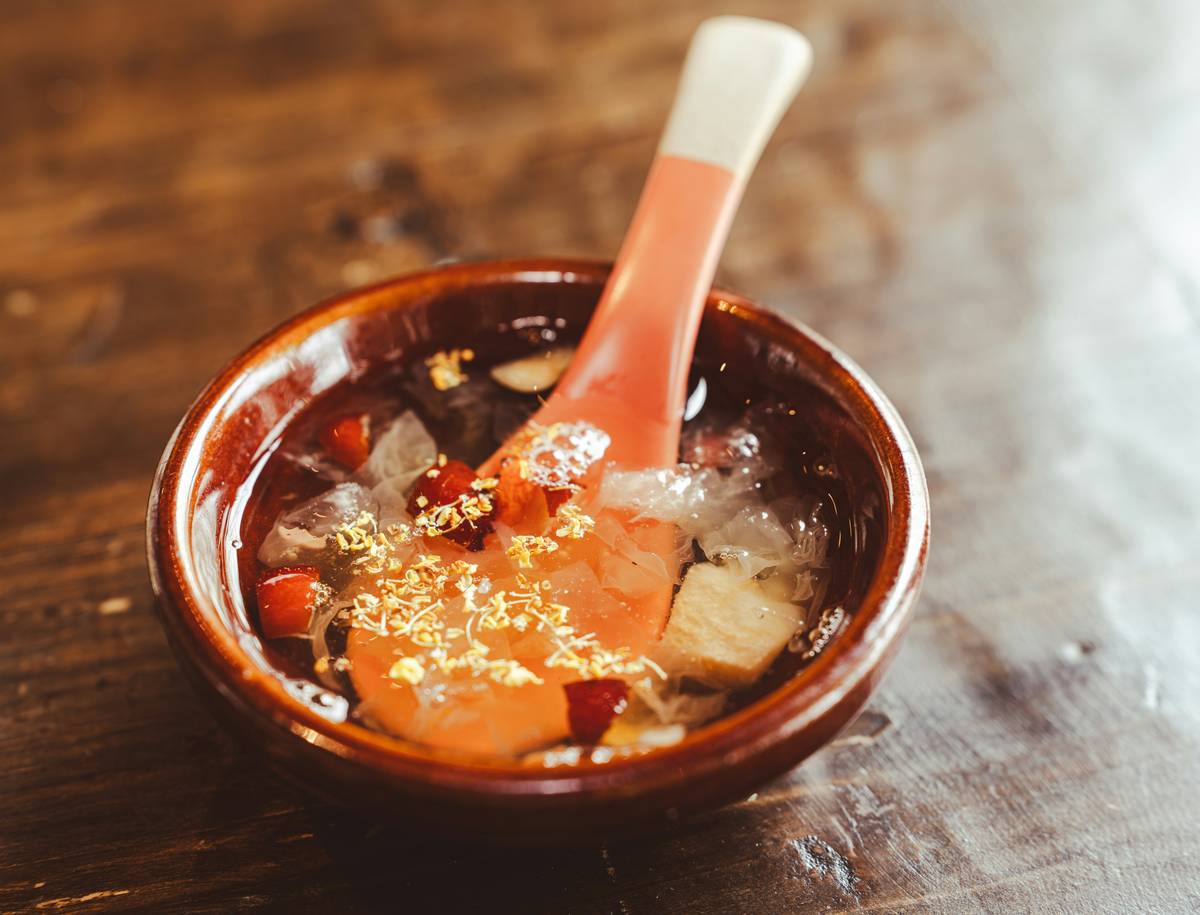
And—this is critical—never skip breakfast. Cold-pressed coconut milk with soaked chia and stewed pears gently awakens digestion without shock. Try it for three days. Track your afternoon cravings. The math is simple: stable mornings = controlled evenings.
Frequently Asked Questions
Can I eat fruit on a pitta dosha meal plan?
Yes—but choose sweet, ripe fruits like pears, melons, or avocados. Avoid sour or unripe fruits (pineapple, grapefruit, green apples), which spike acidity.
Is ghee really okay for weight loss?
Absolutely. Ghee pacifies pitta, enhances nutrient absorption, and supports healthy bile flow—key for fat metabolism. Use 1–2 tsp per meal.
How quickly will I see results with pitta-focused eating?
Most notice reduced bloating and cravings within 5 days. Sustainable fat loss begins around week 2 as liver function improves and inflammation drops.