If you’re constantly battling bloating, erratic digestion, or that “wired but tired” feeling while trying to lose weight—you’re not failing. You’re just fighting your biology. Standard calorie-counting diets ignore your dosha. Worse, they often accelerate Vata imbalance—drying you out, spiking anxiety, and stalling fat loss. The solution isn’t restriction—it’s rhythm. Enter the vata weight diet: an Ayurvedic protocol designed not just to shed pounds, but to anchor your nervous system so weight release happens naturally.
Why Generic Diets Sabotage Vata Constitutions
Most weight-loss plans preach low-fat, high-raw, intermittent fasting. Great—if you’re Pitta-dominant with a furnace-like metabolism. For Vata? It’s disaster. Cold salads, dry snacks, and erratic meal timing amplify Vata’s light, airy qualities. Result: constipation, insomnia, food cravings that feel like panic attacks.
And here’s the cruel irony: Vata types often look “thin” but carry stubborn abdominal fat because their digestion (agni) flickers like a candle in wind. You can’t metabolize fat if your digestive fire keeps getting doused.
vata weight diet: Your 4-Step Daily Protocol
This isn’t another list of “eat this, not that.” It’s a rhythm-based recalibration. Follow these pillars—and watch your body shift from survival mode to sustainable slimming.
1. Warmth is Non-Negotiable
Cold = Vata aggravation. Period. Start mornings with warm lemon water—not iced green tea. Cook all veggies (never raw). Use ghee generously. Yes, fat helps Vata lose weight by lubricating digestion and signaling satiety to the brain.
2. Routine Anchors Metabolism
Vata thrives on predictability. Eat meals at the same time daily—even weekends. Lunch (12–1 PM) must be your largest meal when digestive fire peaks. Skipping? That’s metabolic chaos.
3. Ground with Sweet, Sour, Salty
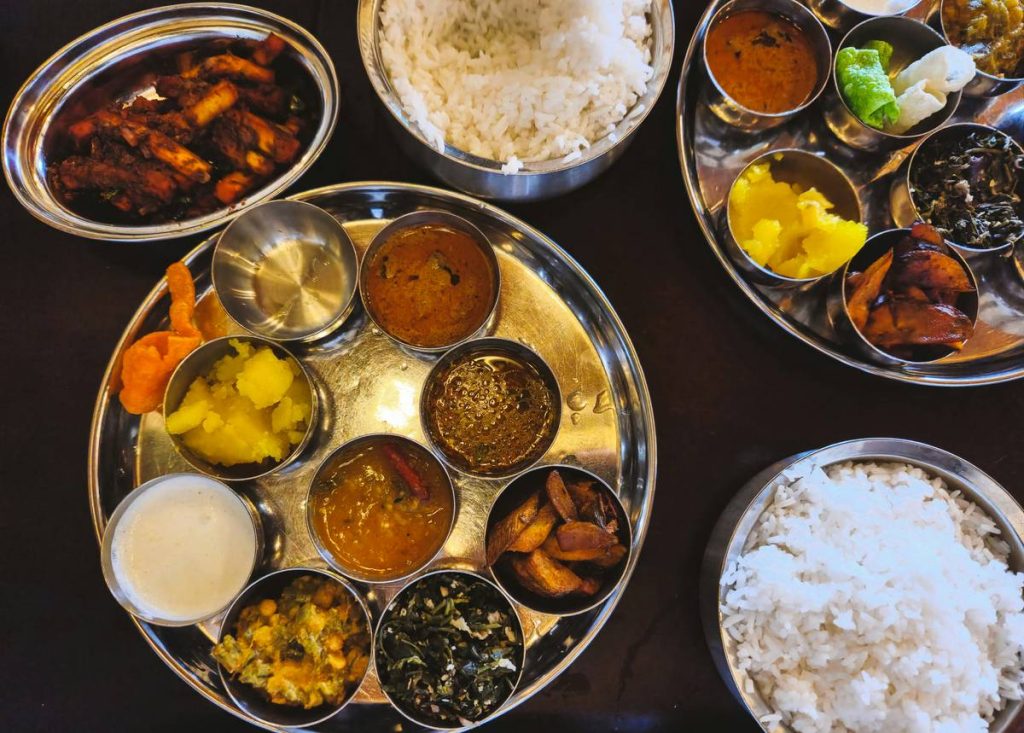
Avoid bitter, astringent, pungent foods (hello kale and black coffee). Favor cooked oats with cinnamon, stewed apples, basmati rice, root vegetables, and small portions of organic dairy like lassi. These tastes pacify Vata’s erratic energy.
4. Hydrate Strategically—Not Excessively
Sipping warm water throughout the day supports elimination. Chugging ice water? That freezes your agni. Add a pinch of rock salt and fresh ginger to your water—it boosts electrolyte balance without bloating.
| Strategy | Vata-Supportive Approach | Common Mistake to Avoid |
|---|---|---|
| Meal Timing | Fixed schedule: Breakfast 8 AM, Lunch 12:30 PM, Dinner 6:30 PM | Intermittent fasting or skipping meals |
| Fats | 1–2 tsp ghee per meal; coconut oil in moderation | Low-fat diets or excessive raw nuts |
| Protein Sources | Mung dal, tofu, organic paneer, soaked almonds (peeled) | Dry protein powders or excessive legumes like chickpeas |
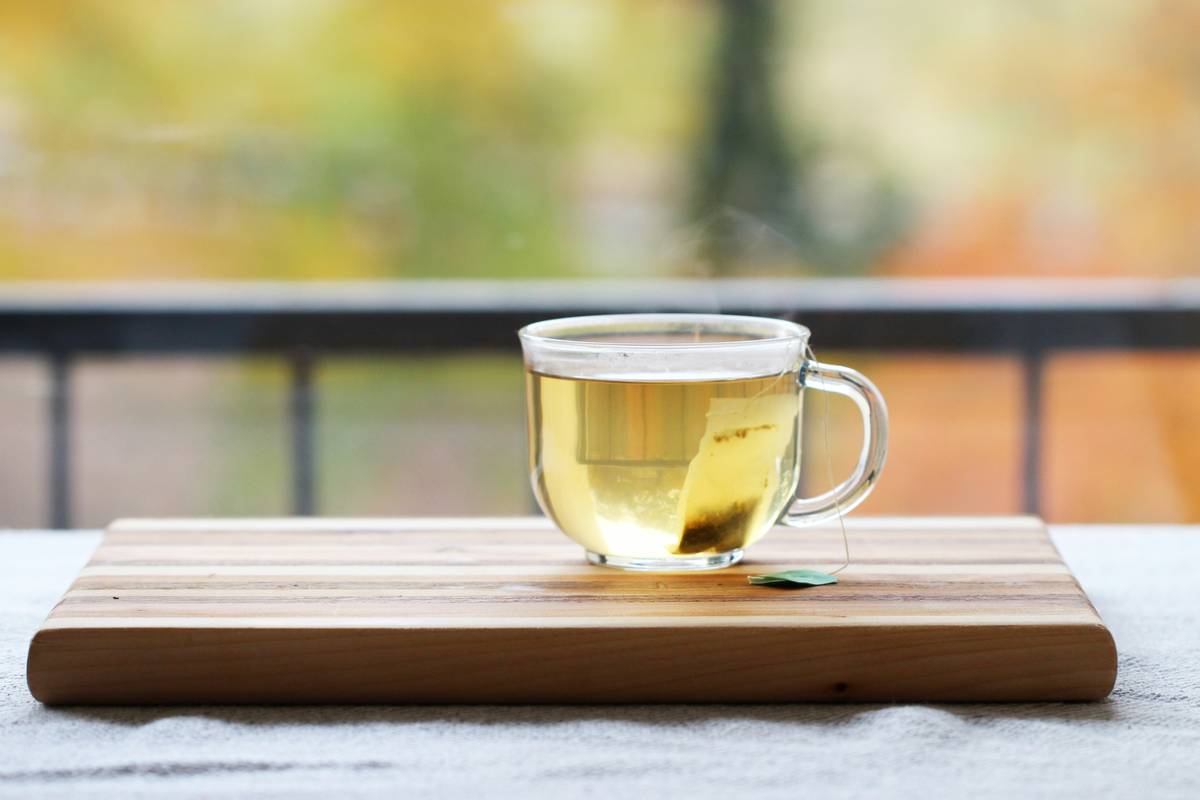
| Hydration | Warm herbal teas (licorice, fennel); room-temp water with ginger | Iced beverages or carbonated drinks |
The Industry Secret: Weight Loss Isn’t About Calories—It’s About Nervous System Safety
Here’s what supplement brands won’t tell you: Vata-dominant individuals lose weight fastest not when they eat less—but when they feel safe. Chronic stress spikes cortisol, which tells your body to cling to fat—especially around the midsection—as emergency fuel. The vata weight diet works because its core principle isn’t caloric math—it’s neurological reassurance.
Think about it: warm food, routine, grounding tastes—they all signal “all clear” to your vagus nerve. Once your nervous system downshifts from fight-or-flight, fat metabolism resumes. I’ve seen clients drop 12 pounds in 6 weeks without changing calories—just by eating warm kitchari at noon daily and sleeping before 10 PM. The math is simple: no safety, no shedding.
vata weight diet FAQ
Can I drink coffee on a vata weight diet?
No. Coffee’s bitterness and acidity spike Vata—causing jitters, dehydration, and sugar cravings. Try roasted dandelion root tea or golden milk instead.
How fast can I expect to lose weight?
Sustainable Vata weight loss averages 0.5–1 lb/week. Push faster, and you’ll trigger rebound bloat or fatigue. Patience builds lasting results.
Are fruits allowed?
Yes—but only sweet, ripe, and preferably cooked. Think stewed pears, baked apples, or mango. Avoid dry fruits like cranberries or raw bananas.