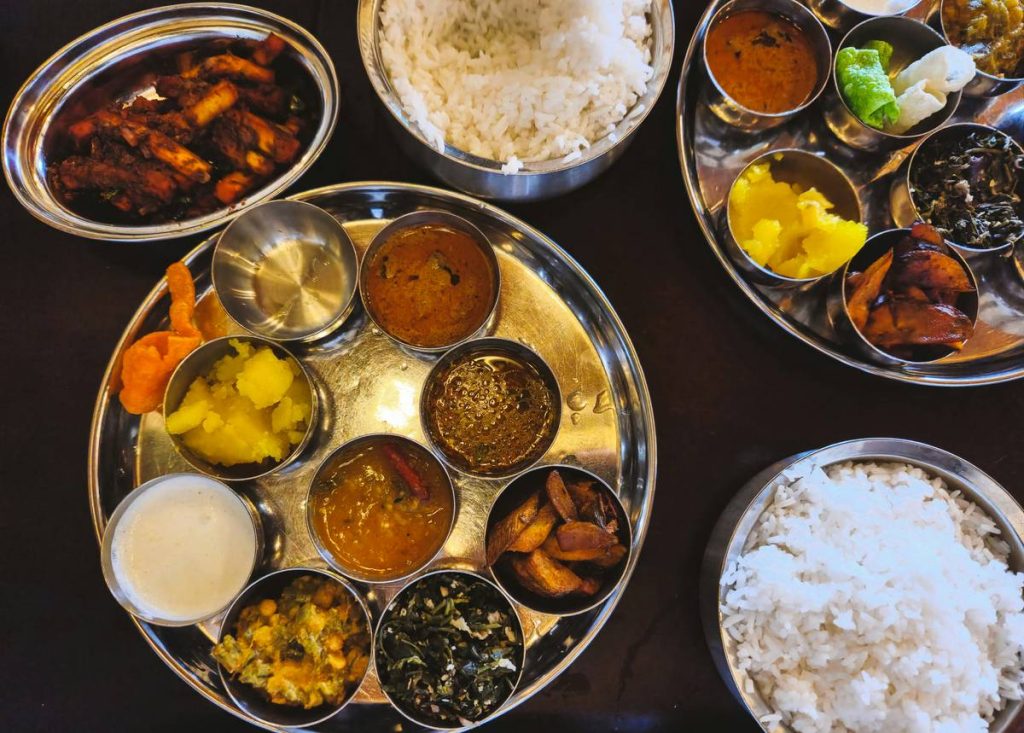
Feeling bloated after every “healthy” smoothie? Exhausted despite eating “clean”? You’re not failing—your diet is. Most weight-loss protocols treat all bodies the same. But if you’re vata-dominant, cold salads and intermittent fasting backfire spectacularly. They spike anxiety, wreck digestion, and stall fat loss. The solution isn’t more willpower—it’s a vata meal plan that honors your unique physiology.
Why Generic Diets Sabotage Vata Types
Vata governs movement—breath, circulation, elimination. When unbalanced (and modern life makes that easy), it turns erratic: gas, constipation, insomnia, and sudden hunger spikes. Throw in raw foods, icy drinks, or erratic meal times? Disaster. Your metabolism doesn’t slow down—it fragments. Calories get burned inefficiently, leaving you simultaneously hungry and full of undigested junk.
And standard “detoxes”? They strip oil from an already dry system. Think sandpaper on cracked skin.
Building Your vata meal plan: A Practical Blueprint
This isn’t about restriction. It’s about rhythm, warmth, and lubrication. Prioritize cooked, grounding foods with healthy fats. Eat at consistent times—even if you’re “not hungry.” Skipping meals amplifies vata’s chaos.
Morning Reset: Warmth Before Caffeine
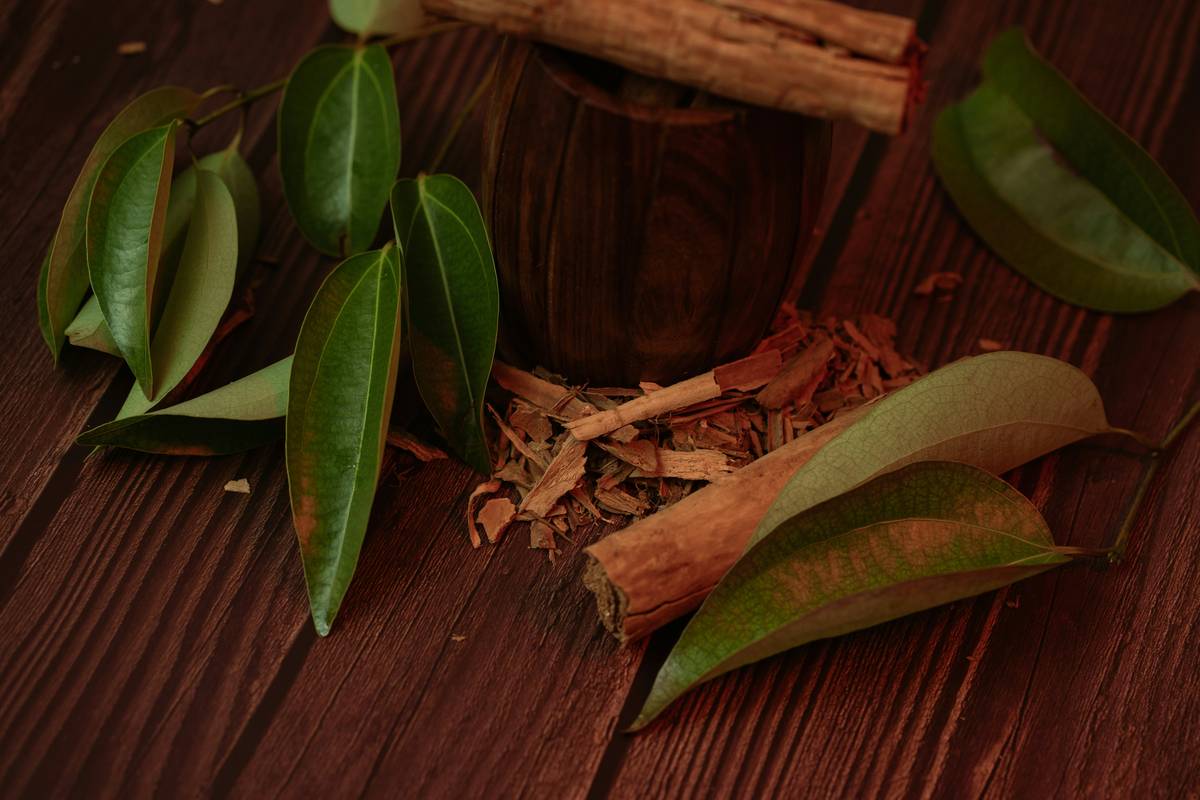
Start with warm lemon water—but add a dash of ghee or flaxseed oil. Then, within 30 minutes, eat a warm breakfast: oatmeal with stewed apples and cinnamon, or kitchari (mung dal + rice). Never jump straight to green juice. Cold = constriction. Constriction = bloating.
Lunch: Your Metabolic Anchor
Make lunch your largest meal. Cooked vegetables, basmati rice, lean protein (like tofu or chicken), and a spoon of ghee. Keep spices mild—turmeric, cumin, fennel. Avoid raw salads; steam or sauté greens instead.
Dinner: Light But Nourishing
Eat early—ideally before 7 PM. A small bowl of vegetable soup with quinoa or a lentil stew works well. No heavy proteins. And absolutely no screen time while eating. Distraction = poor digestion = ama (toxins) buildup.
Snacks That Soothe (Not Spike)
Raw nuts? Too rough. Try soaked almonds (peeled), warm milk with cardamom, or a small date-stuffed fig. All moist, sweet, and warming—perfect vata pacifiers.
| Food Type | Vata-Friendly | Vata-Aggravating |
|---|---|---|
| Grains | Oats, basmati rice, quinoa (well-cooked) | Barley, millet, dry cereals |
| Proteins | Mung dal, tofu, chicken (stewed) | Raw lentils, beef jerky, whey isolate |
| Fats | Ghee, avocado, flax oil | Hydrogenated oils, excessive raw seeds |
| Temperature | Warm, room temp | Icy, frozen, refrigerated |

The Industry Secret: Oil Is Your Ally—Not the Enemy
Here’s what most wellness influencers won’t tell you: healthy fats suppress vata better than any supplement. Ghee isn’t just “okay”—it’s essential. It coats the gut lining, slows glucose spikes, and signals satiety to a jumpy nervous system. One tablespoon in your morning porridge can reduce afternoon cravings by 70%. The math is simple: dry system + dry diet = metabolic collapse. Add oil, and suddenly digestion flows. But—and this is critical—it must be high-quality, preferably organic, and never heated to smoking point. Burnt ghee becomes toxic. Store it away from light. Use it mindfully.
Frequently Asked Questions
Can I lose weight on a vata meal plan without feeling deprived?
Absolutely. By stabilizing digestion and reducing stress-eating triggers, you shed fat—not muscle—while actually feeling more satisfied.
How quickly does a vata meal plan show results?
Most notice reduced bloating in 3–5 days. Consistent weight loss begins around week two as elimination normalizes.
Is coffee totally off-limits for vata types?
Not banned—but limit to one small cup, always with milk and a pinch of cinnamon. Never drink it on an empty stomach.