Most diets fail because they treat your body like a spreadsheet—calories in, calories out. But what if your biology doesn’t care about macros? What if your hunger, cravings, and metabolism are screaming for balance, not restriction? The Ayurvedic Diet doesn’t count points or ban carbs—it restores harmony so weight loss becomes effortless.
Why Calorie Counting Is a Dead End (And Always Has Been)
The standard American diet + fitness tracker = temporary results followed by rebound weight gain. Why? Because it ignores your constitution—your dosha. Vata types crash on keto. Pitta flares on intermittent fasting. Kapha stagnates without movement paired with food timing. You can’t force-feed one-size-fits-all rules onto three distinct biological blueprints.
And yet—that’s exactly what 99% of weight loss programs do.
Ayurvedic Diet: Your Personalized Path to Sustainable Fat Loss
Ayurveda isn’t about “eating clean.” It’s about eating correctly for you. Start by identifying your dominant dosha—Vata (air/ether), Pitta (fire/water), or Kapha (earth/water). Then align food choices, meal timing, cooking methods, and even chewing rhythm to pacify imbalance. Here’s how:
Dosha-Specific Food Protocols
Vata needs warm, grounding, oily foods—think cooked oats, ghee, sweet potatoes. Pitta thrives on cooling, mildly spiced meals—cucumber raita, basmati rice, leafy greens. Kapha requires light, dry, warm stimulation—barley, legumes, bitter herbs like fenugreek. Raw salads? Great for Pitta in summer. Terrible for Vata in winter.
Meal Timing as Medicine
Eat your largest meal at noon—when digestive fire (agni) peaks. Skip breakfast if you’re not hungry (especially Kapha). Never eat within 3 hours of bedtime. This isn’t intermittent fasting repackaged—it’s circadian alignment rooted in 5,000-year-old observation.
Spice Blends Over Supplements
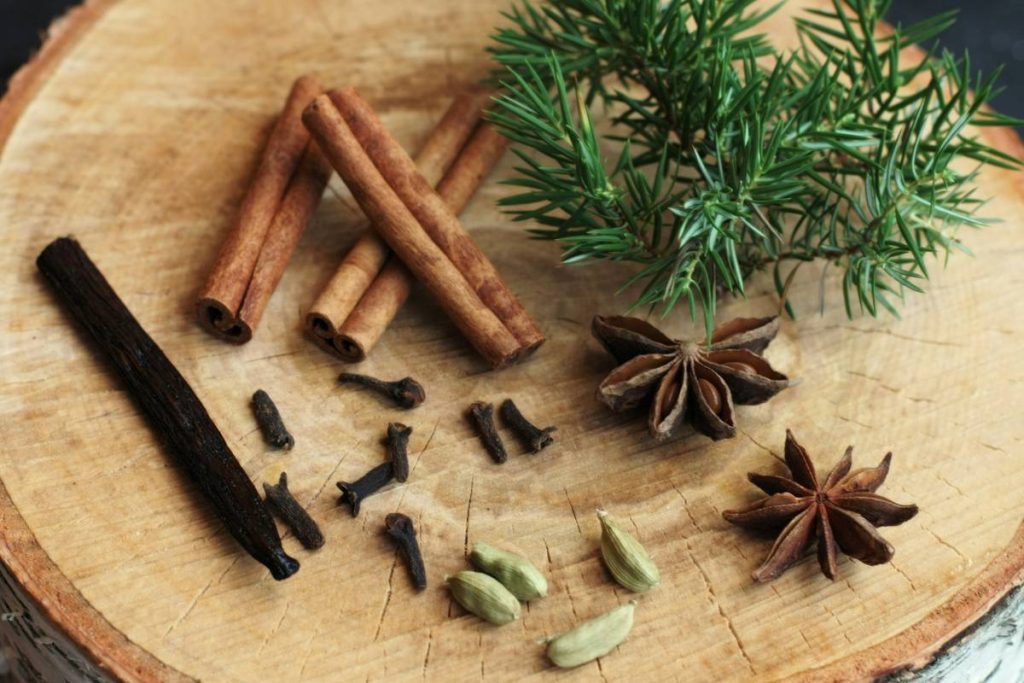
Forget fat-burning pills. Ayurveda uses synergistic spice formulas: trikatu (black pepper, long pepper, ginger) stokes agni without acid reflux. Hingvastak churna reduces bloating instantly. These aren’t “add-ons”—they’re non-negotiables in a true Ayurvedic Diet.
| Dosha | Ideal Breakfast | Best Lunch | Weight-Loss Herbs | Foods to Avoid |
|---|---|---|---|---|
| Vata | Warm oatmeal with ghee & dates | Kitchari with asafoetida | Ashwagandha, Shatavari | Raw salads, ice-cold drinks, dried fruit |
| Pitta | Mung dal crepe with coconut chutney | Quinoa with steamed zucchini & coriander | Neem, Aloe vera juice | Hot peppers, vinegar, fried foods |
| Kapha | Light barley porridge with ginger | Lentil soup with kale & turmeric | Trikatu, Guggulu | Dairy, sugar, heavy grains like wheat |
The Industry Secret: Agni Determines Everything—Not Calories
Here’s what no wellness influencer tells you: if your agni (digestive fire) is weak, even “healthy” food turns to ama—toxic sludge that clings to tissues as fat. You could eat organic kale and still gain weight if your agni can’t metabolize it. The real metric isn’t calories—it’s whether your tongue is coated, your stools float, or you feel heavy after meals. Fix agni first. Weight loss follows automatically. Think about it: ancient texts never mention BMI. They obsess over digestion.
Ayurvedic Diet FAQ
Can I follow an Ayurvedic Diet if I’m vegetarian or vegan?
Absolutely. Ayurveda predates modern meat debates—it prioritizes compatibility over dogma. Vegans may need strategic use of mung beans, hemp seeds, and fermented foods to avoid Vata aggravation.
How fast can I lose weight on an Ayurvedic Diet?
Healthy loss is 1–2 lbs/week. But the goal isn’t speed—it’s metabolic reset. Many lose inches before pounds as water retention and bloating drop first.
Do I need expensive herbs or supplements?
No. Start with kitchen staples: cumin, coriander, fennel, ginger. Reserve potent herbs like guggulu for short-term use under guidance. Simplicity beats supplementation.