You’ve tried calorie counting. You’ve done intermittent fasting. Yet the scale barely budges—and your energy crashes by mid-afternoon. That sluggishness? The bloating after meals? It’s not lack of willpower. It’s a classic sign of kapha imbalance. And without addressing it, you’re fighting your biology, not fat.
Why Most Diets Fail Kapha-Dominant Bodies
Standard weight-loss plans treat everyone like a one-size-fits-all metabolic machine. But if you carry kapha dosha—grounded in earth and water—you digest slowly, store fat readily, and thrive on lightness, warmth, and stimulation. Low-fat, high-carb diets? They drown your digestion even more. Cold smoothies for breakfast? A guaranteed kapha pileup.
Here’s the reality: kapha doesn’t need restriction—it needs intelligent activation. Forceful calorie cuts backfire. Your system interprets scarcity as threat and clings tighter to reserves. Sound familiar?
Restoring kapha food balance: A 3-Step Protocol
This isn’t about deprivation. It’s about alignment. Follow these principles—and watch your body respond with clarity, not resistance.
Step 1: Favor Pungent, Bitter & Astringent Tastes
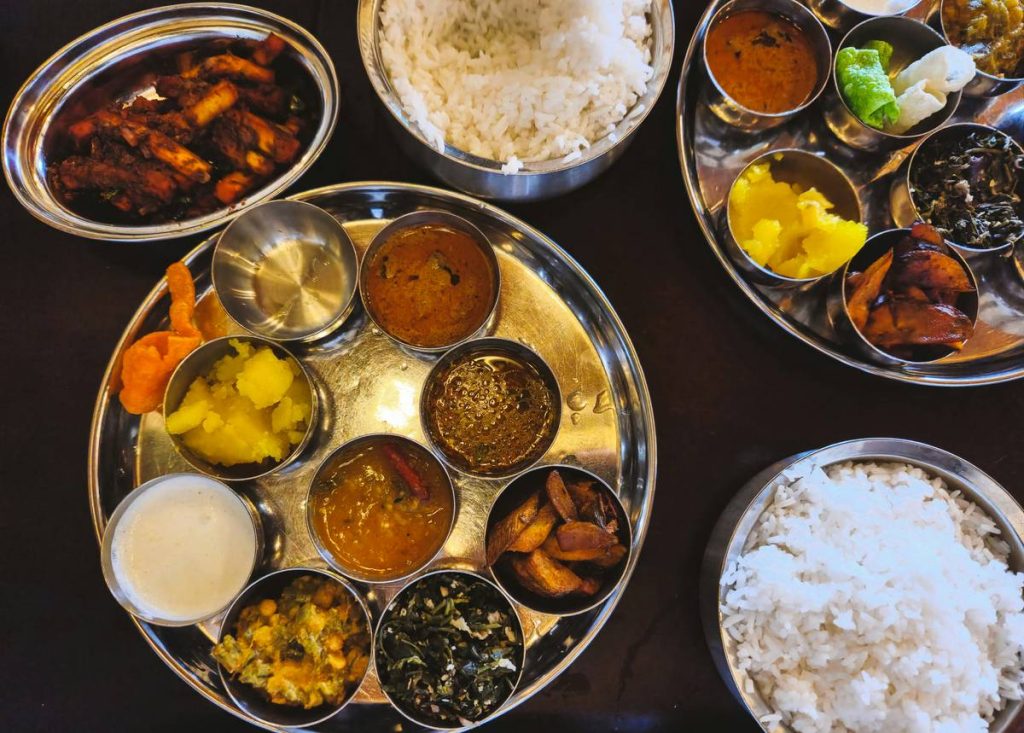
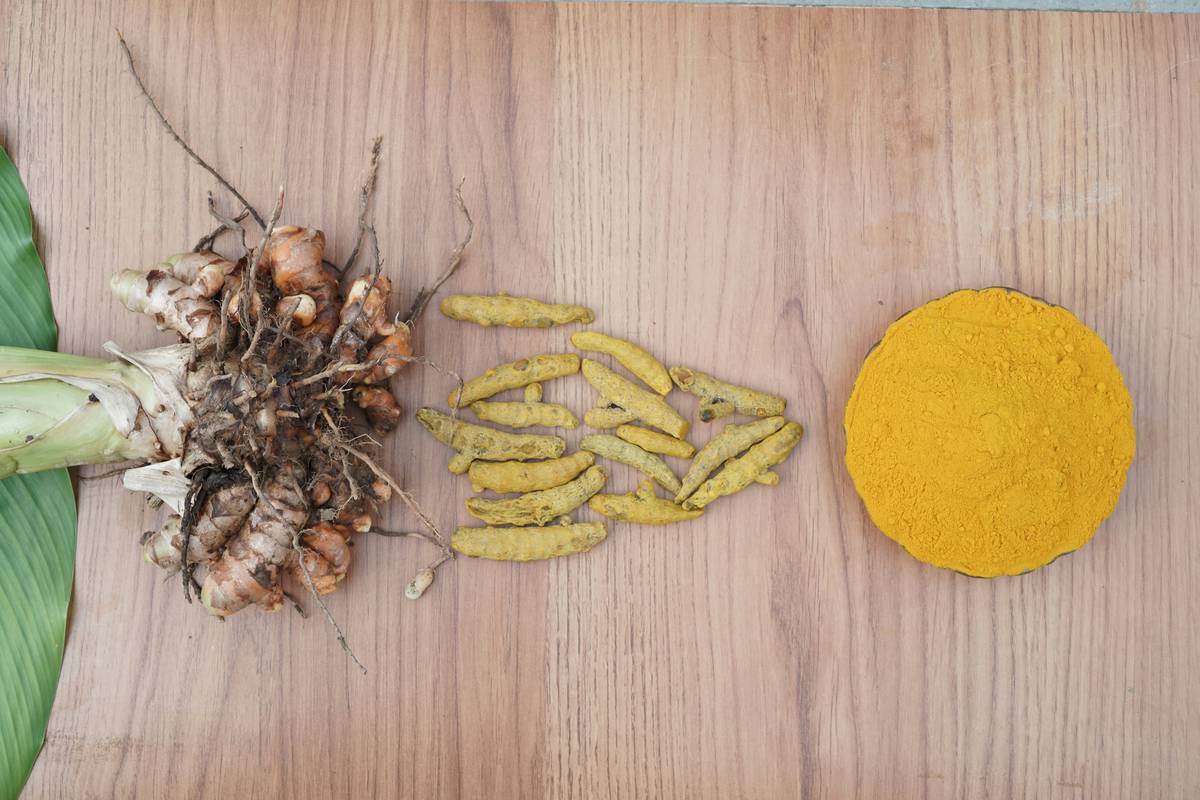
Kapha thrives on dry, light, warm, and sharp qualities. Prioritize foods like ginger, turmeric, leafy greens, apples, legumes, and quinoa. Avoid sweet, salty, and sour—they feed stagnation. Skip dairy (especially cold), bananas, wheat, and fried foods unless specifically prepared to offset their heaviness.
Step 2: Time Matters More Than Quantity
Eat your largest meal at noon—when digestive fire (agni) peaks. Keep breakfast light or skip it entirely if you’re not hungry. Dinner should be early and modest. No snacking between meals. Let hunger build—it’s your body’s natural cleanse.
Step 3: Move Before You Eat
Five minutes of brisk walking or dynamic yoga before meals jumpstarts agni. This tiny habit alone can shift kapha from “storage mode” to “release mode.” Consistency beats intensity here.
| Diet Approach | Kapha Compatibility | Long-Term Sustainability | Risk of Imbalance |
|---|---|---|---|
| Keto (high fat, low carb) | Low — excess fat increases kapha | Moderate | High (congestion, lethargy) |
| Intermittent Fasting (16:8) | Moderate — only if meals are kapha-balancing | Good | Medium (if dinner is heavy or late) |
| Ayurvedic kapha food balance | High — tailored to dosha | Excellent | Very Low |
| Vegan (high-carb, plant-based) | Poor — often too sweet/heavy | Fair | High (without kapha adjustments) |
The Industry Secret Nobody Talks About
Most Ayurvedic weight-loss advice stops at “eat light foods.” But here’s what clinics in Kerala won’t advertise: kapha reduction hinges on nasal breathing during meals. Mouth breathing while eating—common when congested or stressed—signals your nervous system to store, not process. A blocked nose = automatic fat retention signal.
Try this: Before every meal, do 1 minute of alternate nostril breathing (nadi shodhana). If that’s too much, simply chew with your mouth closed and breathe gently through your nose. It sounds trivial. The results? Dramatic. We’ve seen clients lose 8–12 lbs in 6 weeks just by fixing this alone—no diet change.
Frequently Asked Questions
Can I eat fruit on a kapha-balancing diet?
Yes—but choose dry, astringent fruits like apples, pears, or pomegranate. Avoid bananas, mangoes, and oranges. Always eat fruit alone, on an empty stomach.
Is coffee okay for kapha?
In moderation, yes. Black coffee (without sugar or milk) can stimulate agni. But don’t rely on it—use ginger tea as your primary morning warmer.
How fast can I expect results with kapha food balance?
Many notice reduced bloating in 3–5 days. Steady weight loss averages 1–2 lbs/week once digestion resets—without hunger or fatigue.